
ENAIRE commissions the new Begas radar (Barcelona) with 3D technology, a key element in air traffic control in Catalonia
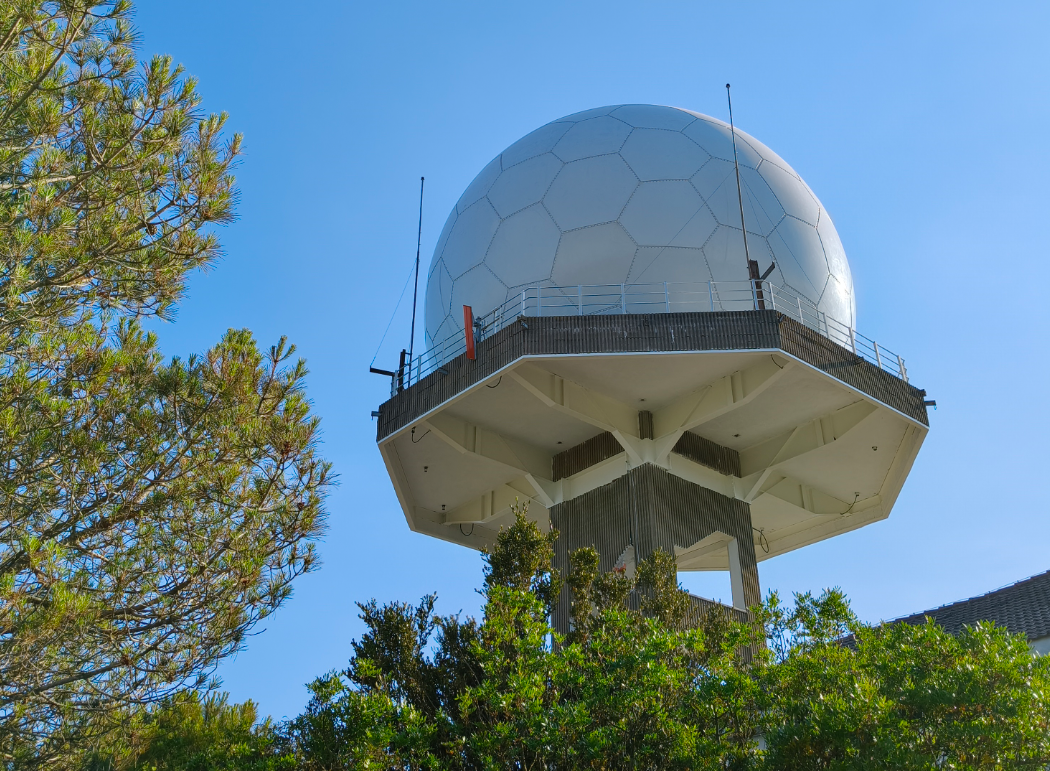
ENAIRE, Spain's national air navigation service provider, has today brought into service the new Begas radar (Barcelona) with 3D (three-dimensional) technology, an essential system for managing air traffic in Catalonia. This ENAIRE investment is funded by European resources from the Recovery, Transformation and Resilience Plan (PRTR).
The radar upgrade involved replacing the large spherical structure that protects the antennas, a component technically known as the ‘radome’. In addition, the introduction of 3D technology marks a significant improvement in the primary radar's detection capability.
ENAIRE's radars play a vital role in guaranteeing flight safety. Thanks to them, air traffic controllers can monitor the position of every aircraft at all times. The Begas radar is an indispensable sensor for air traffic surveillance coverage in the northeast of the Iberian Peninsula.
Work to replace the Begas radar began earlier this year, with the removal of the old antennas. After the new antennas were hoisted, work continued with the installation of the new radome, which required a full day's work and favourable weather conditions.
Why was the new radar installed?
The work was necessary to ensure the performance of the Begas radar and to upgrade the primary radar technology.
Installing, adapting and configuring the new radar took approximately six months.
To carry out a project of this kind, ENAIRE first installed a temporary radar to maintain surveillance coverage which, given its short-term nature, did not require a radome.
This ensured continuity of the service provided by the Begas radar, as the surveillance data from the temporary radar continued to feed into the Automated Air Traffic Control System (SACTA), the system used to deliver air traffic control services, maintaining the highest standards of safety and quality.








.png)


.jpg)
Comments
There are no comments yet for this item
Join the discussion