
Helicus opens new flight destinations
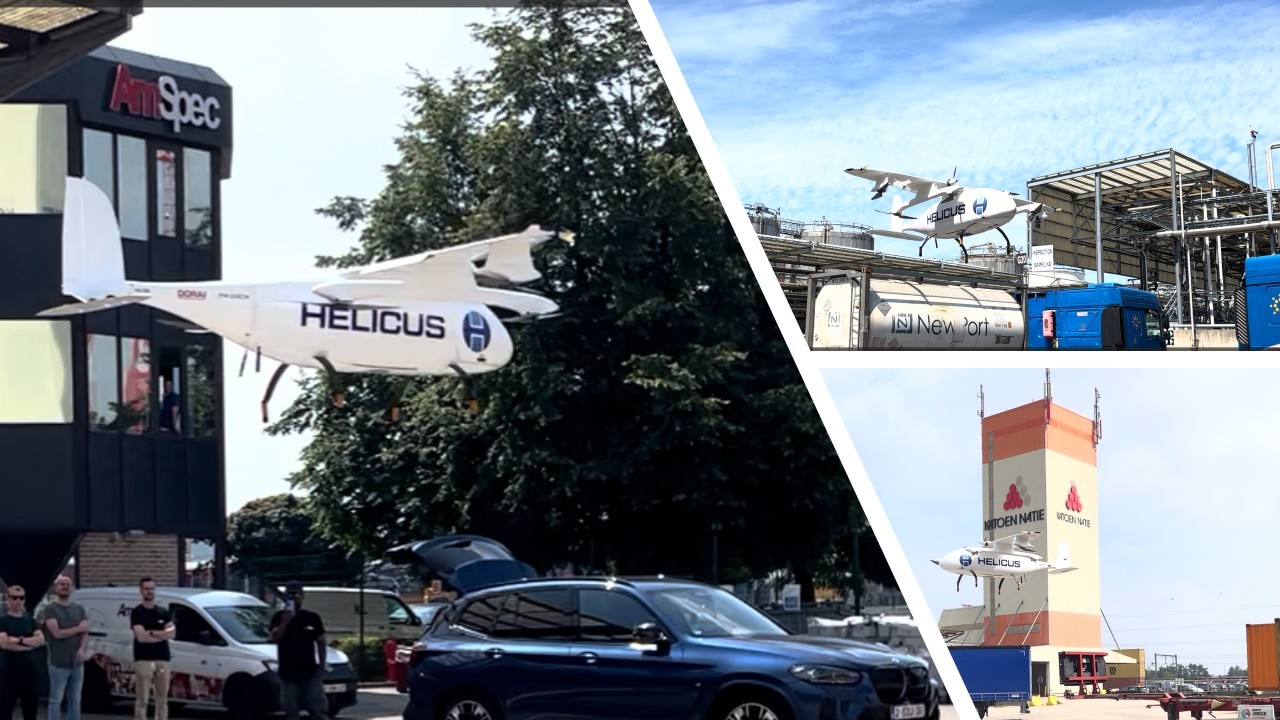
On 31 July 2026, Helicus added new important nodes to its flight network in the Port of Antwerp-Bruges. Journeys that typically take up to 60 minutes by road now take under 10 minutes. We literally change space and bend time for our customers.
=> Find out which four services Helicus can provide to customers :Link.
We launched new petrochemical laboratory and new terminals. You now see us taking off in front the impressive Katoen Natie tower in the middle of the Port Of Antwerp. We basically added new North-South connections that contrast nicely with our typical East-West connections. The latter includes our oldest and Antwerp’s first ever cross-river route. This is where we fly petrochemical samples (DG) for surveors from key terminals to their labs.
We are proud of the trust that these new multinational actors place in us, allowing us to grow the route network that Helicus now services across the Antwerp region.
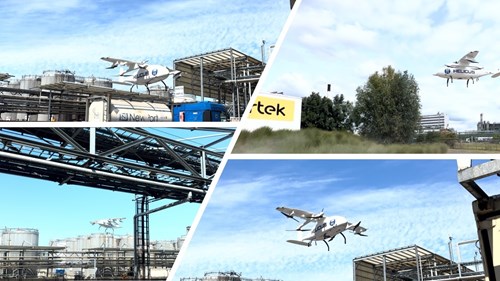
Experienced operations amidst and serving heavy petrochemical industrial installations
In order to service these destinations, Helicus is further investing in its fleet of cargo drones. We now own and operate 5 large cargo drones - with wingspan or diameter of 3 meters average age ≤1,5 year - to service our activities in West Flanders, Antwerp and Wallonia. Helicus is not only one of the oldest, but also owns the largest fleet of its kind in the EU. We are on track to add another two large cargo drones by the end of this year. This of course translates in the best service and expansion capabilities for our customers.
This is also, an infrastructure story more than a transport story — and Helicus is the one writing it together with its partners. Each new route Helicus opens changes what "nearby" actually means for the businesses operating along it. A lab and a terminal separated by a river and forty minutes of traffic become, functionally, next-door neighbors. That's not a marginal improvement to an existing process; it's Helicus redefining the operational map that port-based businesses have been planning around for years.
None of this replaces the need for capacity, integration, and trust — a single flight doesn't make a network. But it's an additional data point in a broader thesis that we prove in practice: that the next gains in port logistics will come less from moving more cargo, and more from moving it along shorter, more predictable paths .
Expanding your aerial cargo transport options, node by node, route by route



.jpg)


.png)





Comments
There are no comments yet for this item
Join the discussion