
EU Must Review EU ETS to Support Competitiveness as Aviation Decarbonizes
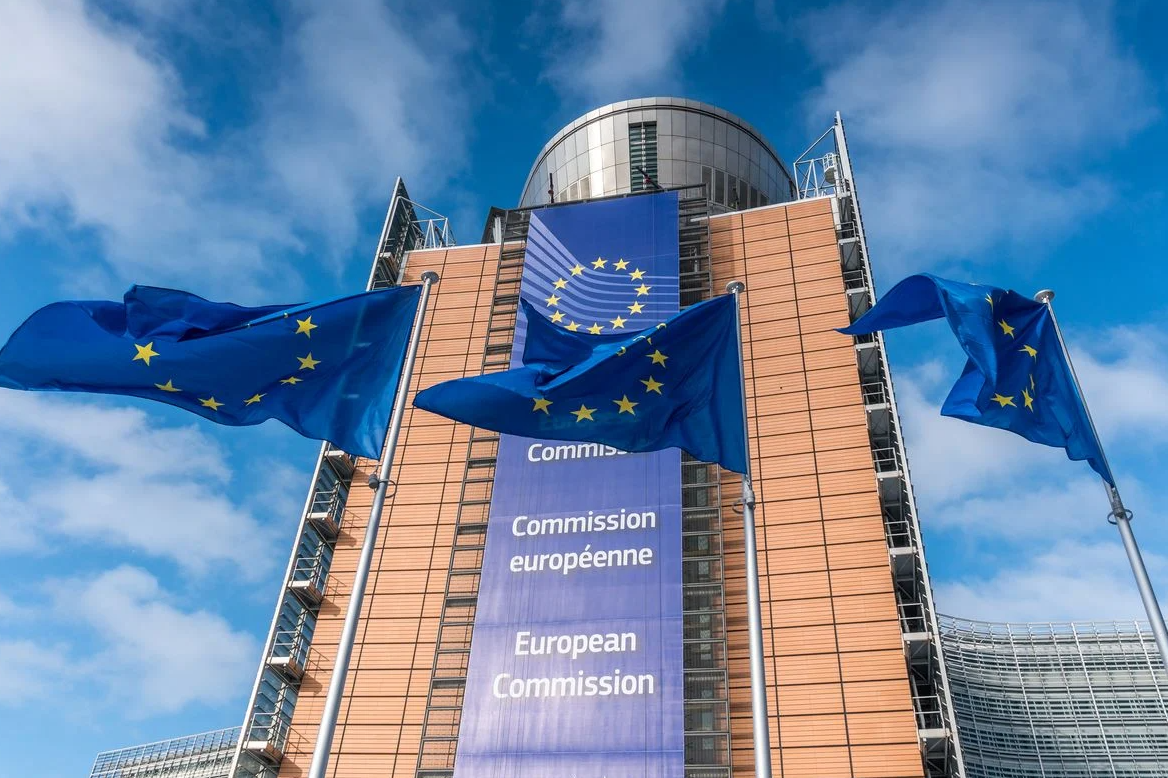
The International Air Transport Association (IATA) calls for the review of the European Union’s Emissions Trading System (EU ETS) to enhance European air connectivity and economic resilience by improving the competitiveness of Europe’s air transport industry.
IATA calls for the review to:
- Ensure full implementation of CORSIA for all international flights, including flights within the European Economic Area (EEA) routes. To prevent market fragmentations, the EU should avoid regional derogations, additional eligibility hurdles, and overlapping measures that conflict with this global framework.
- Enable a Sustainable Aviation Fuel (SAF) book-and-claim system for the claiming of environmental attributes under the EU ETS. Allowing purchase-based SAF claiming will enhance investment certainty and affordability which are needed to maintain a level playing field for all operators.
- Reinvest revenue into decarbonization. Direct a greater portion of aviation’s EU ETS contributions back into the industry’s transition. Priority should be given to scaling SAF production and supporting the development of emerging zero-emission technologies.
- Balance climate policy for resilience which should involve pursuing ambitious climate targets while safeguarding the air transport industry’s global competitiveness. All measures must be grounded in scientific facts and harmonized with international standards to avoid disproportionate administrative burdens and excessive costs.
IATA’s call follows growing skepticism among EU leaders regarding the effectiveness of the EU ETS and its negative impact on European competitiveness. This position aligns with the Draghi Report, which identifies high costs, regulatory complexity, and underinvestment as critical barriers to the bloc’s economic resilience. In an era of geopolitical volatility and supply chain disruptions, robust air connectivity remains a vital asset for Europe’s global standing.
“European aviation policy must bolster competitiveness as it advances decarbonization. Reviewing the EU ETS offers a critical opportunity to refocus efforts on cost-effective emission reductions. The priority must be the full implementation of CORSIA, the reinvestment of EU ETS revenues into SAF and other credible decarbonization solutions, and the elimination of overlapping measures that add cost and complexity without environmental gain. By doing so, we will protect European air connectivity—a vital strategic asset foundational to EU integration, trade, and commerce. Amid global economic strain and geopolitical volatility, the EU ETS review must deliver a harmonized climate policy framework that balances the sector’s competitiveness with its climate ambitions,” said Willie Walsh, IATA’s Director General.
Ensure full implementation of CORSIA
Aviation is a global industry operating within an increasingly volatile geopolitical landscape. To manage emissions effectively, governments, including EU Member States, committed to a single, global market-based measure through the International Civil Aviation Organization (ICAO): the Carbon Offsetting and Reduction Scheme for International Aviation (CORSIA).
To uphold these international commitments and prevent damaging regulatory fragmentation, the EU must implement CORSIA in its entirety for all international flights, including intra-EEA routes. Layering regional measures over a global framework creates redundant costs and administrative complexity without delivering additional environmental gain. Furthermore, by failing to fully implement CORSIA, the EU risks undermining the scheme’s global decarbonization potential and weakening the multilaterally agreed rules that govern international compliance.
A full, harmonized implementation that is free from unique EU-specific eligibility criteria for Eligible Emissions Units (EEUs) is essential. This approach will provide a predictable, stable framework for all airlines operating in Europe while ensuring that environmental benefits remain verifiable and globally consistent.
Enable a SAF book-and-claim system
To accelerate the transition to sustainable aviation, the EU must introduce purchase-based claiming for (SAF under the EU ETS. A robust "book-and-claim" mechanism is an essential infrastructure for a liquid, transparent, and well-governed SAF market within the European Union.
As a high-integrity chain-of-custody model, book-and-claim allows the trading of environmental attributes independently of physical fuel supply. When applied to airlines as end-users, this enables operators to claim SAF credits based on purchase records, regardless of whether they physically uplift the fuel at a specific location. This flexibility is critical for compliance under the EU ETS, demonstrating voluntary uptake, and accurate reporting.
To implement this system, specific amendments to the EU ETS Directive are required in the provisions related to SAF claiming. Furthermore, the full extension of the Union Database, with enhanced capabilities to track both the movement of both the physical supply and environmental attributes of SAF, to aircraft operators is a key measure to preventing double-counting and enhancing transparency.
Ultimately, this system fosters regional cohesion and connectivity by ensuring a level playing field for stakeholders across all European regions, regardless of their geographic proximity to major fuel hubs.
Reinvest revenue into decarbonization
As the aviation sector’s financial burden under the EU ETS intensifies following the 2024 phase-out of free allowances, it is critical that these revenues are channeled back into the industry’s transition. Current incentives remain disproportionately small compared to the sector's total contribution. For example, the SAF Allowance scheme—designed to bridge the SAF price premium—covers only a fraction of the demand, estimated to meet just 4-5% of the industry’s total allowance needs between 2026 and 2030. To close this gap, the EU must increase both the volume and duration of the SAF allowance scheme.
The Sustainable Transport Investment Plan (STIP) estimates investment requirements between EUR 57 and 67 billion to meet SAF requirements in the EU by 2035, and between EUR 268 and 376 billion to meet the requirements by 2050. A considerable amount of these requirements can be met through rechanneling the aviation sector’s contribution to EU ETS to accelerate the development of a price-competitive, open, and mature SAF market in Europe.
The aviation sector is expected to surrender nearly 330 million allowances between 2026 and 2030, generating billions of revenues to Member States. To date, reinvestment through the EU’s Innovation Fund has been limited. Future funding should prioritize:
- Emerging technologies: Supporting less mature SAF production pathways.
- Cost parity: Assisting airlines to adopt high-cost, early-stage solutions to accelerate learning curves.
- Industrial resilience: Reinstating free allowances to protect European competitiveness and prevent the diversion of capital away from green investments.
In addition, the EU should reinstate the free EU ETS allowances for aviation considering competitiveness, affordability, and investment conditions, consistent with the broader EU debate regarding industrial resilience. The pace and scale of cost exposure matter. A sudden increase in compliance costs, especially in a fragile geopolitical and economic context, risks weakening connectivity, reducing consumer choice, and diverting resources away from decarbonization investments.
Balance climate policy for resilience
A sudden spike in compliance costs, coupled with global geopolitical instability, threatens to weaken European connectivity and limit consumer choice. New EU ETS rules effective from 2026 raise the stakes for the sector, making a harmonized climate policy that balances ambition with affordability a strategic necessity.
Aviation plays a critical role in the EU's economy, and the EU ETS can play an important role in aviation’s decarbonization. To ensure both, EU aviation policy must align with global frameworks, support investment in measurable emissions reductions, and avoid unnecessary duplication and disproportionate costs for all airlines operating in the EU and for their passengers.
.png)







.jpg)



Comments
There are no comments yet for this item
Join the discussion