
IATA: Passenger Demand Grows 4% in July; Air Cargo Up 5.5%
The International Air Transport Association (IATA) released data for July 2025 global passenger demand with the following highlights:
- Total demand, measured in revenue passenger kilometers (RPK), was up 4.0% compared to July 2024. Total capacity, measured in available seat kilometers (ASK), was up 4.4% year-on-year. The July load factor was 85.5% (-0.4 ppt compared to July 2024).
- International demand rose 5.3% compared to July 2024. Capacity was up 5.8% year-on-year, and the load factor was 85.6% (-0.4 ppt compared to July 2024).
- Domestic demand increased 1.9% compared to July 2024. Capacity was up 2.4% year-on-year. The load factor was 85.2% (-0.4 ppt compared to July 2024).
“It’s been a good northern summer season for airlines. Momentum has grown over the peak season with July demand reaching 4% growth. That trend appears across all regions and is particularly evident for international travel, which strengthened from 3.9% growth in June to 5.3% in July. Moreover, with flight volumes showing a 2% year-on-year increase for September after five months of decelerating growth, airlines are positioned to take advantage of this market momentum into the coming months,” said Willie Walsh, IATA’s Director General.
View the July 2025 Air Passenger Market Analysis (pdf)
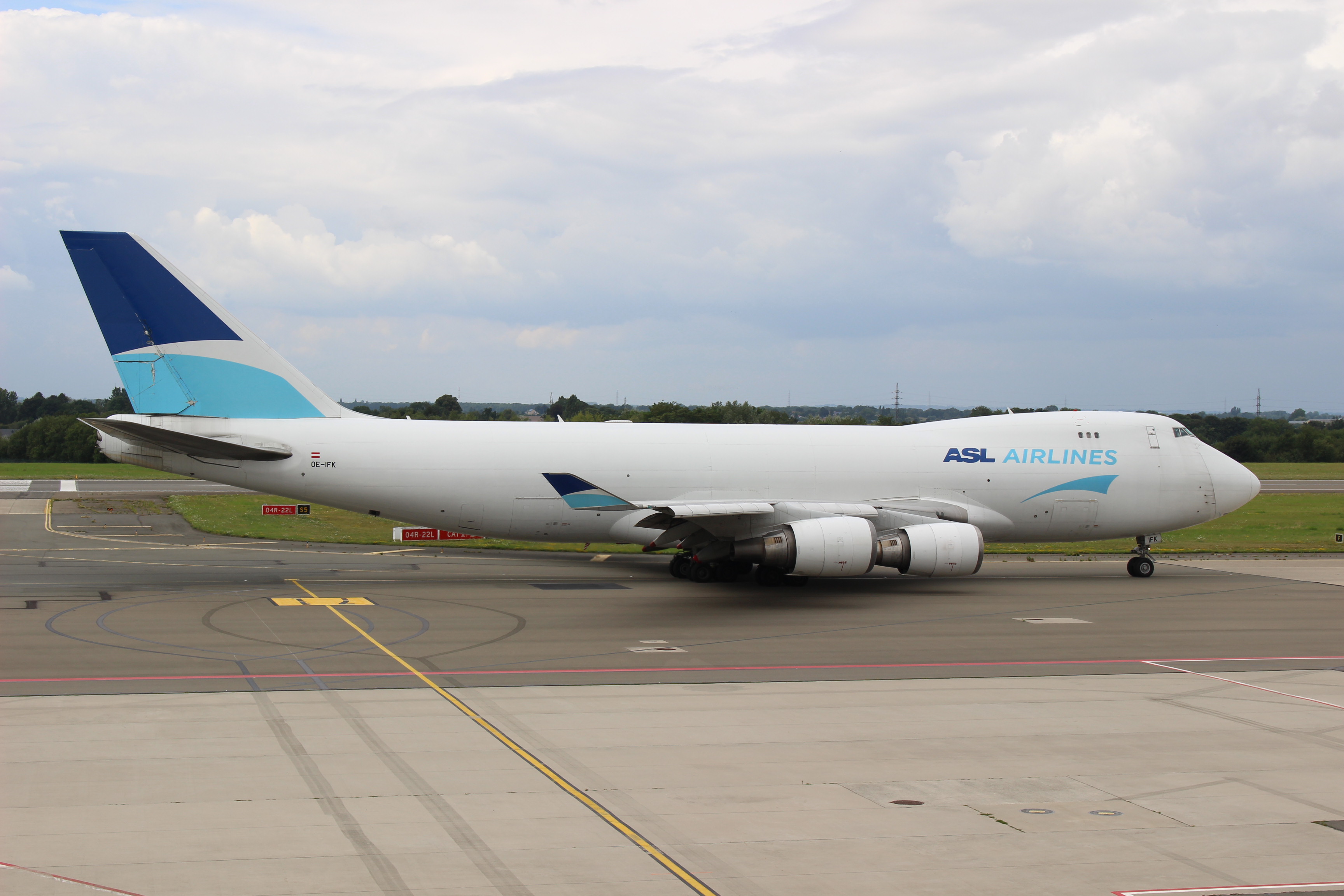
The International Air Transport Association (IATA) released data for July 2025 global air cargo markets showing:
- Total demand, measured in cargo tonne-kilometers (CTK), rose by 5.5% compared to July 2024 levels (+6.0% for international operations).
- Capacity, measured in available cargo tonne-kilometers (ACTK), increased by 3.9% compared to July 2024 (+4.5% for international operations).
“Air cargo demand grew 5.5% in July, a strong result. Most major trade lanes reported growth, with one significant exception: Asia–North America, where demand was down 1.0% year-on-year.
A sharp decline in e-commerce, as the US de minimis exemptions on small shipments expired, was likely offset by shippers frontloading goods in advance of rising tariffs for imports to the US. August will likely reveal more clearly the impact of shifting US trade policies. While much attention is rightly being focused on developments in markets connected to the US, it is important to keep a broad perspective on the global network. A fifth of air cargo travels on the Europe–Asia trade lane, which marked 29 months of consecutive expansion with 13.5% year-on-year growth in July,” said Willie Walsh, IATA’s Director General.
Several factors in the operating environment should be noted:
- The global goods trade grew by 3.1% year-on-year in June.
- The July jet fuel price was 9.1% lower year-on-year and has remained below 2024 levels so far this year, easing airlines’ operating costs. However, it was 4.3% higher than in June.
- Global manufacturing contracted in July with the PMI falling to 49.66, the second dip below the 50-mark growth threshold since January. New export orders also remained negative at 48.2 for the fourth month, reflecting waning confidence amid US trade policy uncertainty.








.png)
.jpg)


Comments
There are no comments yet for this item
Join the discussion