
When football meets the flight plan
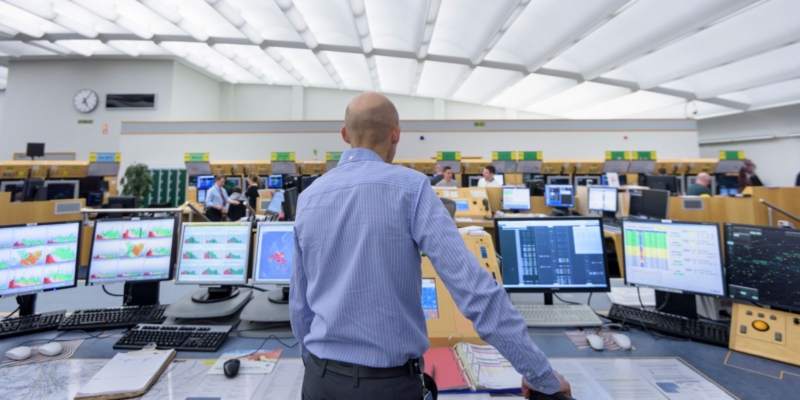
When football meets the flight plan: how UK air traffic control manages flights during major tournaments
Roni Friel, Head of Network Ops Service Delivery
When a major international football tournament takes place, most attention is on the matches, the players and the travelling fans. But behind the scenes, events like the World Cup can have a real impact on the aviation network.
Major tournaments can materially alter traffic patterns, handling high levels of traffic at peak times, particularly around fixtures involving the home nations.
From a Network Operations perspective, these events are planned well in advance through our usual operational planning framework, and we tailor our level of coordination and monitoring as we become more confident in the traffic patterns.
That planning starts early. We work with airlines, airports and the Eurocontrol Network Manager to build a clear picture of likely travel patterns across Europe, and of course across the Oceanic operation for this Summer’s tournament. This includes looking at charter flights, where demand may peak and how schedules might change. For example, some airlines are putting on bigger aircraft to accommodate more passengers, rather than adding lots more flights to the tournament. We also draw on data from previous events to improve our planning and build more accurate forecasts.
The next step is making sure the network is ready. That includes reviewing sector configurations, how resources are deployed and where extra capacity may be needed. Tactical measures are also considered where appropriate, including reroute options or managing flow rates to keep services running smoothly and maintain network stability.
As the event approaches and during the tournament itself, daily readiness calls with the wider aviation community help ensure there is a shared picture across the system of likely conditions, pinch points and any emerging risks.
One key lesson from past events, such as the Paris Olympics, is that the main challenge is not always the total number of flights. More often, the pressure comes from large numbers of flights happening at the same time or in the same places. This can be made more complex by wider pressures across the European network and hoping the weather is on our side.
Because of this, the aim is not simply to increase capacity everywhere. Instead, the focus is on building resilience where it is most needed and being ready to respond to changing conditions.
Throughout, our role is to keep a whole network view. By working closely with industry partners, we help ensure the system remains stable and predictable.
So, while the spotlight is on the pitch, a great deal of planning is happening in the skies, helping passengers get where they need to be.
.png)




.jpg)






Comments
There are no comments yet for this item
Join the discussion